🔗 Blockchain Explained: Concepts, Tools, Features & Code Examples! 🚀
🔗 Blockchain Explained: Concepts, Tools, Features & Code Examples! 🚀
Welcome to the fascinating world of Blockchain! 🌐 Whether you’re a developer, entrepreneur, or just a tech enthusiast, understanding blockchain can open doors to decentralized applications (DApps), cryptocurrencies, smart contracts, and much more. Let’s break it all down — concepts, tools, features, and real code examples — so you can start building! 🏗️
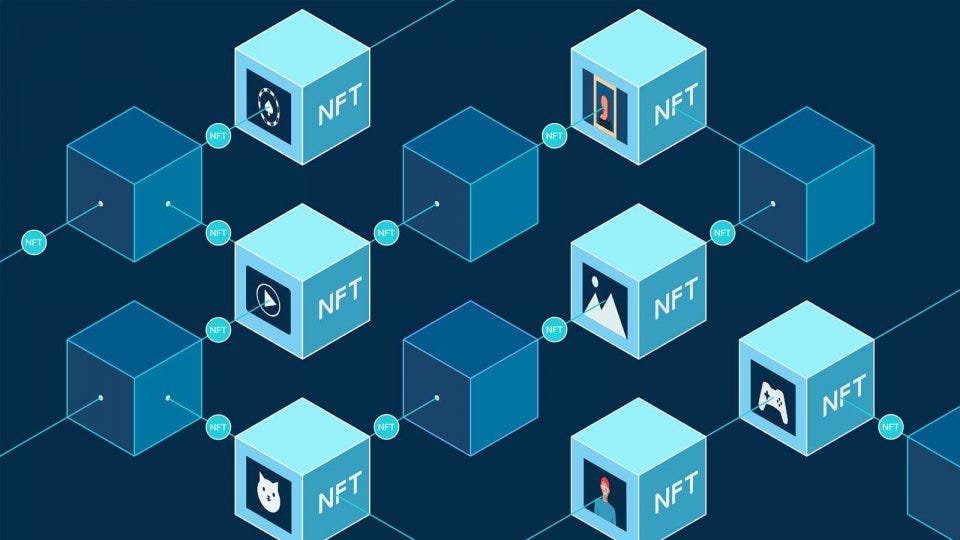
🔍 What is Blockchain?
Blockchain is a decentralized, distributed ledger that records transactions across multiple computers securely and transparently. Each “block” contains data, and once added, it cannot be altered — making it immutable and tamper-proof.
Key Features of Blockchain:
✔ Decentralization — No central authority controls the data.
✔ Transparency — All transactions are visible to participants.
✔ Immutability — Once recorded, data cannot be changed.
✔ Security — Uses cryptography (hashing & digital signatures).
✔ Smart Contracts — Self-executing contracts with predefined rules.
🛠️ Blockchain Tools & Technologies
Here are some essential tools for blockchain development:

💡 Blockchain Concepts Explained
1. Blocks & Hashing
Each block contains:
- Data (transactions)
- Previous block’s hash (links blocks together)
- Nonce (a number used in mining)
Example of a simple block in Python:
import hashlib

class Block:
    def __init__(self, data, previous_hash):
        self.data = data
        self.previous_hash = previous_hash
        self.nonce = 0
        self.hash = self.calculate_hash()

    def calculate_hash(self):
        block_contents = str(self.data) + str(self.previous_hash) + str(self.nonce)
        return hashlib.sha256(block_contents.encode()).hexdigest()

# Create a blockchain
block1 = Block("Transaction 1", "0")
block2 = Block("Transaction 2", block1.hash)
print(f"Block 1 Hash: {block1.hash}")
print(f"Block 2 Hash: {block2.hash}")
2. Smart Contracts (Ethereum Example)
Smart contracts run on the blockchain and execute automatically when conditions are met.
Example in Solidity:
// SPDX-License-Identifier: MIT
pragma solidity ^0.8.0;

contract SimpleStorage {
    uint storedData;

    function set(uint x) public {
        storedData = x;
    }

    function get() public view returns (uint) {
        return storedData;
    }
}
3. Consensus Mechanisms
Blockchains use consensus algorithms to validate transactions:
- Proof of Work (PoW) — Used by Bitcoin (mining)
- Proof of Stake (PoS) — Used by Ethereum 2.0 (staking)
🚀 Real-World Blockchain Examples
- Bitcoin (BTC) — The first cryptocurrency.
- Ethereum (ETH) — Supports smart contracts & DApps.
- DeFi (Decentralized Finance) — Platforms like Uniswap, Aave.
- NFTs (Non-Fungible Tokens) — Unique digital assets.
🔮 Future of Blockchain
- Web3 — Decentralized internet
- CBDCs — Central Bank Digital Currencies
- Supply Chain Tracking — Transparent product journeys
🎯 Conclusion
Blockchain is revolutionizing industries — from finance to healthcare. With tools like Solidity, Truffle, and Web3.js, you can start building your own DApps today! 🚀
💬 Got questions? Drop them in the comments!
👍 Like & Share if you found this helpful!
#Blockchain #Web3 #Crypto #SmartContracts #DeFi #Tech #Programming
Would you like a deeper dive into any specific blockchain topic? Let me know! 😊


Comments
Post a Comment