🌐 API Mastery: The Complete Developer Guide to Building Powerful APIs 🚀
🌐 API Mastery: The Complete Developer Guide to Building Powerful APIs 🚀
In modern software development, APIs are the backbone of communication between applications. Every time you use a mobile app, make an online payment, or fetch data from a server — an API is working behind the scenes.
From microservices architectures to AI integrations, APIs power the digital ecosystem.
In this guide, we will explore:
✅ What APIs are
✅ API terminologies
✅ Types of APIs
✅ Key features of a great API
✅ Common mistakes developers make
✅ A perfect API design example
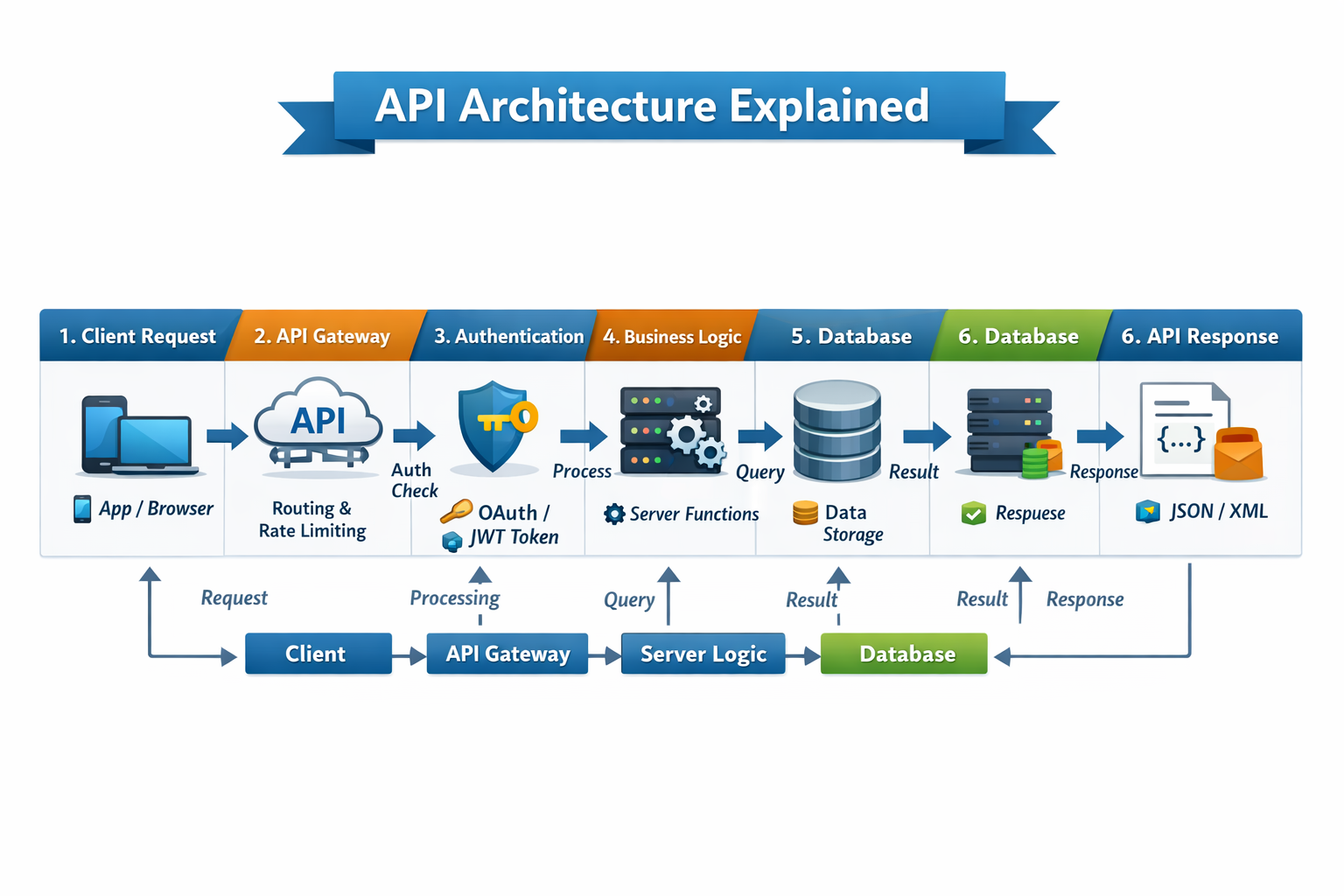
Let’s dive in! 🔍
📡 What is an API?
API (Application Programming Interface) is a set of rules that allows different software systems to communicate with each other.
Think of an API like a restaurant waiter:
👨🍳 Kitchen → Server logic
🧑 Customer → Client (web/mobile app)
🧾 Waiter → API
Process:
1️⃣ Client sends request
2️⃣ API receives request
3️⃣ Server processes logic
4️⃣ API returns response
Example:
A weather app requesting weather data from a weather service.
GET /api/weather?city=DelhiResponse:
{
  "city": "Delhi",
  "temperature": "28°C",
  "condition": "Cloudy"
}
🧠 Important API Terminologies
Understanding API terminology is essential for developers.
1️⃣ Endpoint
A specific URL where an API can be accessed.
Example:
https://api.example.com/users2️⃣ HTTP Methods
These define the type of action performed on the server.
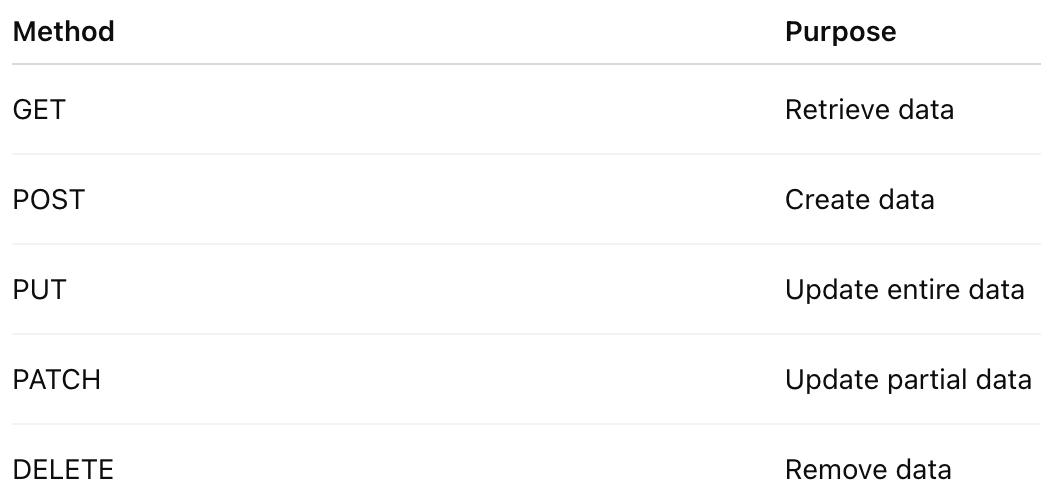
Example:
GET /users
POST /users
DELETE /users/10
3️⃣ Request
The message sent from client to server.
Components:
• Headers
• Body
• Query parameters
• Authentication token
Example:
GET /users?page=24️⃣ Response
The data returned by the server.
Components:
• Status code
• Headers
• Body
Example:
{
 "id": 1,
 "name": "Lakhveer",
 "role": "Developer"
}
5️⃣ Status Codes
HTTP responses indicating the result.
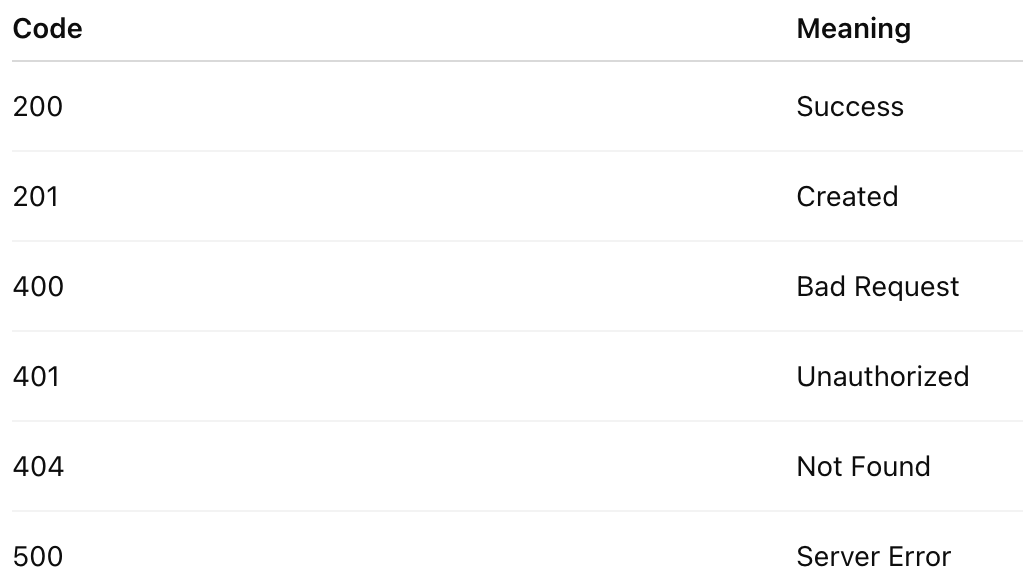
6️⃣ Authentication
Used to verify user identity.
Common methods:
🔑 API Keys
🔐 OAuth
🎫 JWT Tokens
Example header:
Authorization: Bearer <token>🧩 Types of APIs
1️⃣ REST API (Most Popular)
Representational State Transfer
Features:
✔ Uses HTTP methods
✔ Stateless communication
✔ Lightweight JSON format
Example:
GET /users
POST /users
Used by:
• Web applications
• Mobile apps
• Microservices
2️⃣ GraphQL API
Allows clients to request only required data.
Example query:
{
  user(id:1){
    name
    email
  }
}
Advantages:
⚡ No over-fetching
⚡ Flexible queries
3️⃣ SOAP API
Simple Object Access Protocol
Characteristics:
✔ XML based
✔ Strict standards
✔ High security
Used in:
🏦 Banking systems
🏥 Enterprise systems
4️⃣ gRPC API
High-performance API developed by Google.
Features:
⚡ Binary protocol
⚡ Very fast communication
⚡ Supports streaming
Used in:
• Microservices
• Real-time systems
5️⃣ WebSocket API
Used for real-time communication.
Examples:
📊 Stock market updates
💬 Chat applications
🎮 Multiplayer games
⚙️ Key Features of a Great API
A well-designed API has these characteristics.
🔹 1. Consistent Naming
Bad:
/getUserDataGood:
/usersConsistency improves usability.
🔹 2. Stateless Architecture
Each request must contain all information needed.
Example:
Authorization token included in every request🔹 3. Versioning
APIs should be versioned to avoid breaking changes.
Example:
/api/v1/users
/api/v2/users
🔹 4. Pagination
Avoid returning huge datasets.
Example:
/users?page=2&limit=10🔹 5. Rate Limiting
Prevent server overload.
Example:
100 requests per minute🔹 6. Proper Error Handling
Example:
{
  "error": "User not found",
  "code": 404
}
🔹 7. Security
Essential protections:
🔐 HTTPS
🔐 Authentication
🔐 Input validation
🧱 Perfect API Structure Example
Let’s design a perfect User Management API.
Base URL
https://api.example.com/v1Endpoints
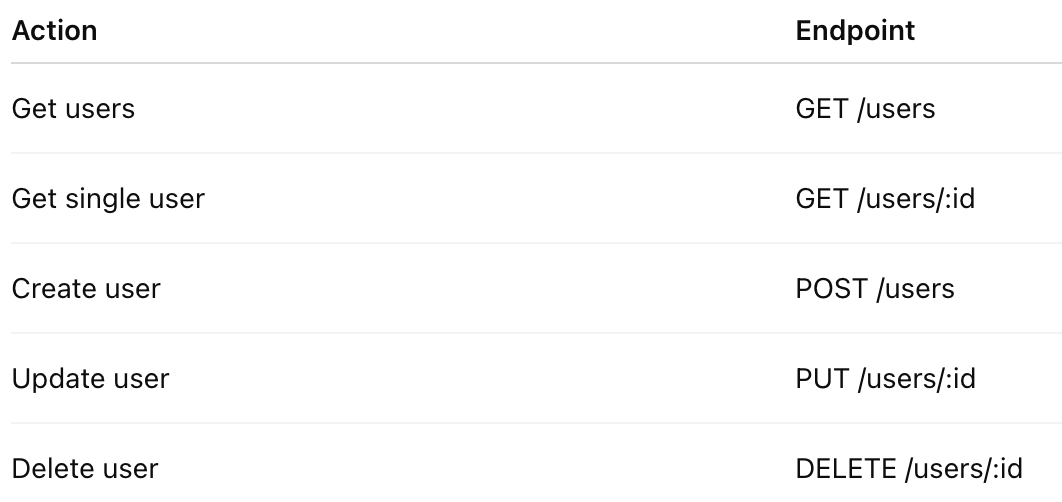
Example Request
Create User
POST /usersBody:
{
 "name": "Lakhveer Singh",
 "email": "lakhveer@email.com"
}
Example Response
{
 "id": 101,
 "name": "Lakhveer Singh",
 "email": "lakhveer@email.com",
 "created_at": "2026-03-05"
}
Example Error Response
{
 "error": "Email already exists",
 "code": 400
}
💎 Bonus: Ruby on Rails API Example
Since you work with Ruby on Rails, here’s a quick example.
Route:
resources :usersController:
class UsersController < ApplicationController

  def index
    users = User.all
    render json: users
  end

  def show
    user = User.find(params[:id])
    render json: user
  end
end
Response automatically becomes JSON.
⚠️ Common API Mistakes Developers Make
Avoid these common issues.
❌ 1. Poor Naming Conventions
Bad:
/getAllUsersDataGood:
/users❌ 2. No Versioning
APIs without versions break older apps.
❌ 3. Returning Too Much Data
Solution:
✔ Pagination
✔ Filtering
❌ 4. Weak Security
Never expose:
❌ Database IDs
❌ Sensitive data
Always use:
🔐 HTTPS
🔐 Authentication tokens
❌ 5. Poor Error Messages
Bad:
Error occurredGood:
User with ID 10 not found❌ 6. Lack of Documentation
Good APIs must have documentation.
Popular tools:
📘 Swagger
📘 Postman
📘 Redoc
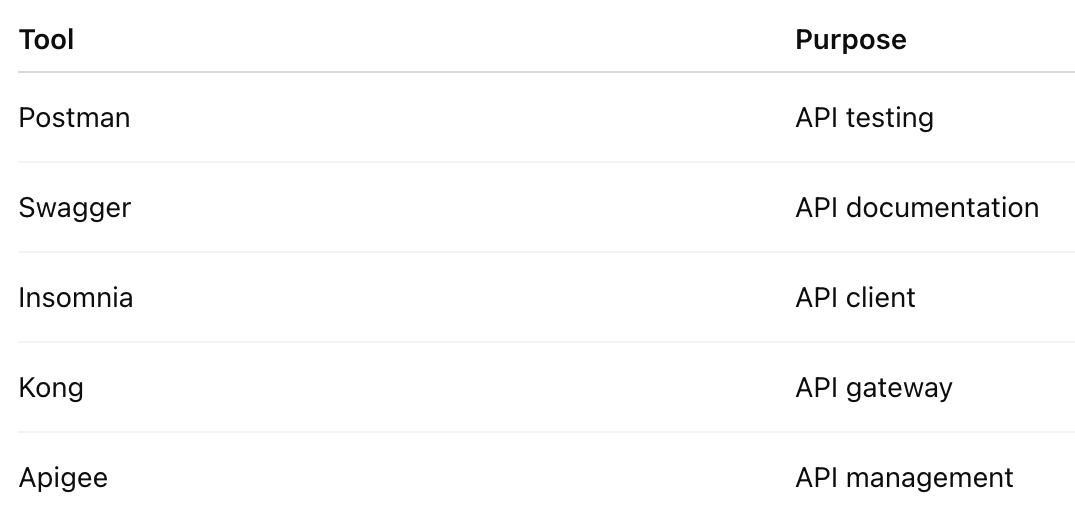
🛠️ Popular API Development Tools
Developers use these tools daily.
📈 Real World APIs You Use Everyday
Examples:
📍 Google Maps API
📍 Stripe Payment API
📍 Twitter API
📍 GitHub API
These power thousands of applications worldwide.
🚀 Final Thoughts
APIs are the foundation of modern software architecture.
A great API should be:
✔ Secure
✔ Scalable
✔ Consistent
✔ Well documented
✔ Developer friendly
Whether you’re building microservices, mobile apps, or AI systems, mastering API design is one of the most valuable developer skills.
Remember:
“Great APIs don’t just connect systems — they empower innovation.” 🚀


Comments
Post a Comment