🚀 DevOps Mastery Roadmap: How to Become a Pro DevOps Engineer in 2026 🔥
🚀 DevOps Mastery Roadmap: How to Become a Pro DevOps Engineer in 2026 🔥
“A great developer writes code. A great DevOps engineer builds systems that never stop running.” 💡
Modern software companies like Google, Netflix, Amazon, and Microsoft deploy thousands of changes every day without downtime.
How?
The answer is DevOps.
DevOps is not just a toolset. It’s a culture, mindset, automation strategy, and engineering discipline that bridges Development and Operations.
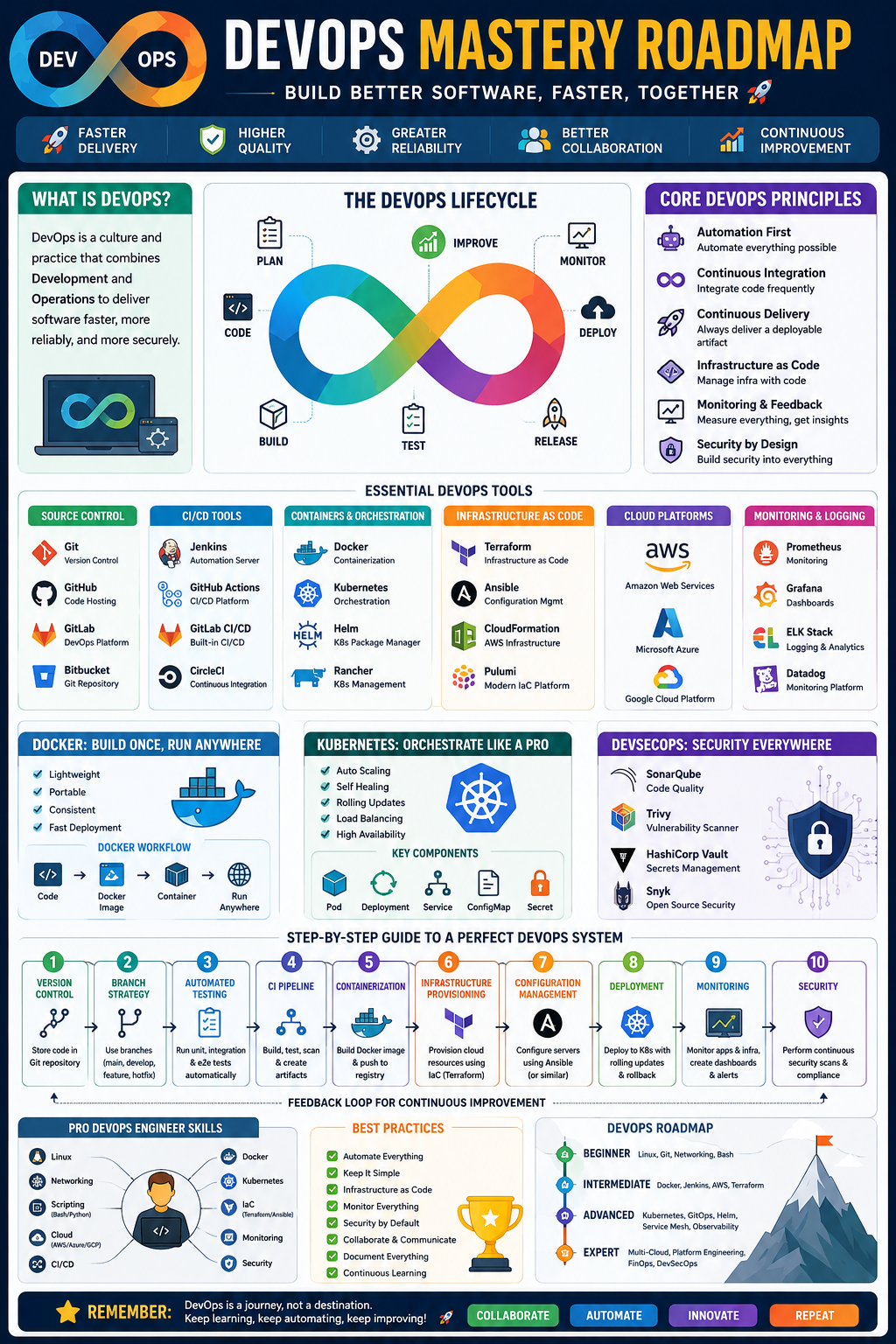
In this ultimate guide, you’ll learn:
✅ Core DevOps Principles
✅ Complete DevOps Lifecycle
✅ Essential DevOps Tools
✅ CI/CD Pipelines
✅ Docker & Kubernetes
✅ Cloud Platforms
✅ Infrastructure as Code
✅ Monitoring & Security
✅ Performance Optimization Hacks
✅ Step-by-Step Blueprint for Building a Perfect DevOps System
Let’s dive in! 🚀
🎯 What is DevOps?
DevOps = Development + Operations
It is a methodology that combines software development and IT operations to deliver applications:
⚡ Faster
⚡ More Reliably
⚡ More Securely
⚡ More Frequently
Traditional Model
Developer → Testing → Operations → DeploymentProblems:
❌ Slow Releases
❌ Human Errors
❌ Environment Issues
❌ Downtime
DevOps Model
Plan → Code → Build → Test → Release →
Deploy → Monitor → Improve
Benefits:
✅ Faster Releases
✅ Automation
✅ Better Collaboration
✅ Reduced Downtime
✅ Higher Security
🏗️ Core DevOps Principles
1. Automation First 🤖
Automate everything possible.
Examples:
- Testing
- Builds
- Deployments
- Monitoring
- Security Scanning
Benefits
✅ Less Human Error
✅ Faster Delivery
✅ Better Reliability
2. Continuous Integration (CI) 🔄
Developers frequently merge code.
Developer Pushes Code
        ↓
Automated Build
        ↓
Automated Tests
        ↓
Feedback
Benefits
✅ Faster Bug Detection
✅ Better Code Quality
3. Continuous Delivery (CD) 🚀
Every successful build becomes deployable.
Build
 ↓
Test
 ↓
Staging
 ↓
Production Ready
4. Infrastructure as Code (IaC) 🏗️
Infrastructure is written in code.
Example:
resource "aws_instance" "app" {
  ami = "ami-123"
  instance_type = "t3.medium"
}
Benefits:
✅ Version Control
✅ Repeatability
✅ Disaster Recovery
5. Monitoring & Feedback 📊
Measure everything.
Track:
- CPU
- Memory
- Errors
- Latency
- User Experience
6. Security by Design 🔐
Modern DevOps = DevSecOps
Security becomes part of:
- Development
- Build
- Deployment
- Monitoring
🔄 Complete DevOps Lifecycle
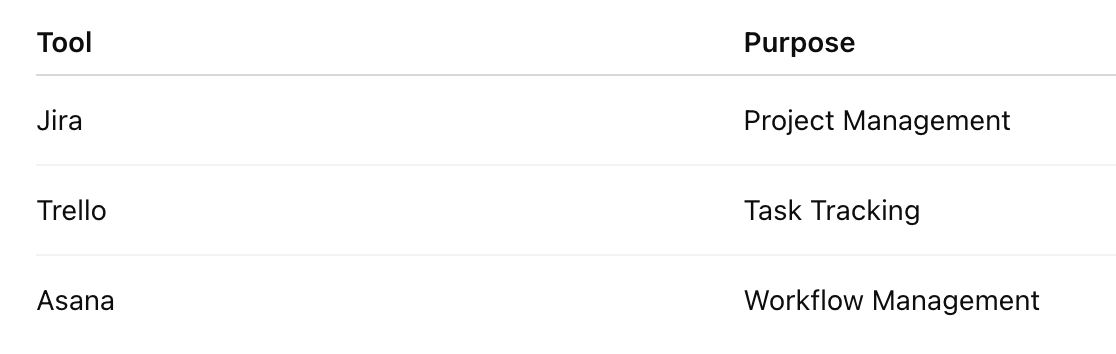
1️⃣ Planning
Tools:
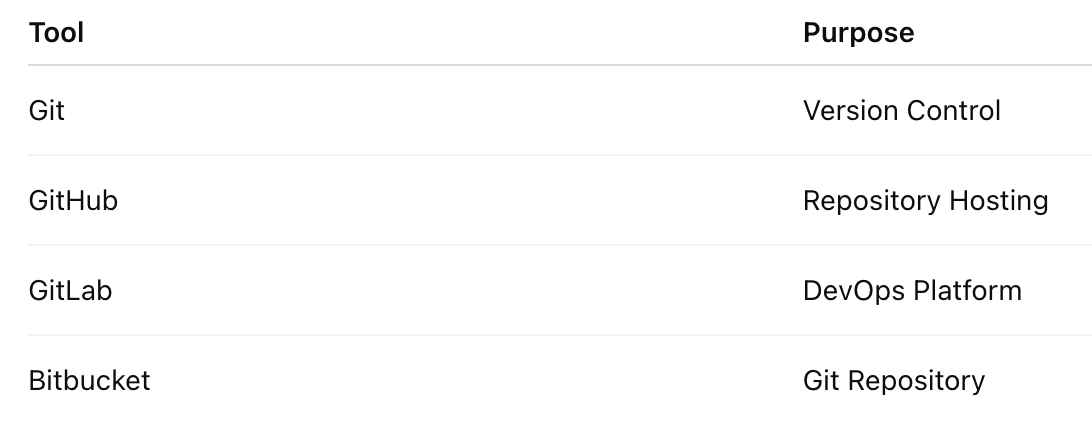
2️⃣ Coding
Tools:
Best Practices:
✅ Feature Branches
✅ Pull Requests
✅ Code Reviews
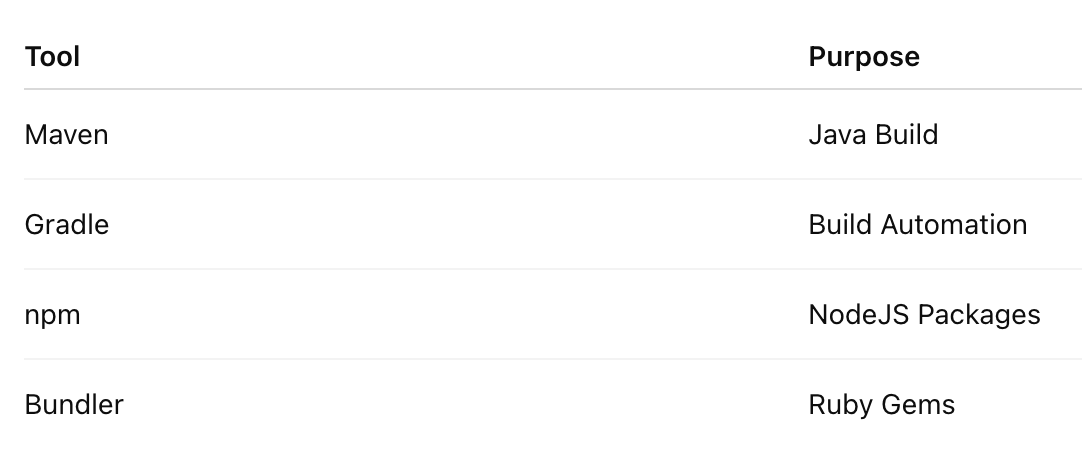
3️⃣ Build Stage
Purpose:
Convert source code into deployable artifacts.
Tools:
4️⃣ Testing Stage 🧪
Types
Unit Testing
RSpec.describe User do
  it "validates email" do
  end
end
Integration Testing
Tests service interactions.
End-to-End Testing
Simulates real user actions.
Tools
- RSpec
- JUnit
- Selenium
- Cypress
- Playwright
🐳 Docker: The Foundation of Modern DevOps
Problem:
“It works on my machine.”
Docker solves this.
Docker Features
✅ Lightweight
✅ Portable
✅ Consistent Environment
✅ Fast Deployment
Docker Workflow
Code
 ↓
Docker Image
 ↓
Container
 ↓
Production
Example:
FROM ruby:3.3

WORKDIR /app
COPY . .
RUN bundle install
CMD ["rails","server"]
☸️ Kubernetes: Container Orchestration King
Docker runs containers.
Kubernetes manages thousands of them.
Kubernetes Features
✅ Auto Scaling
✅ Self Healing
✅ Rolling Updates
✅ Load Balancing
✅ High Availability
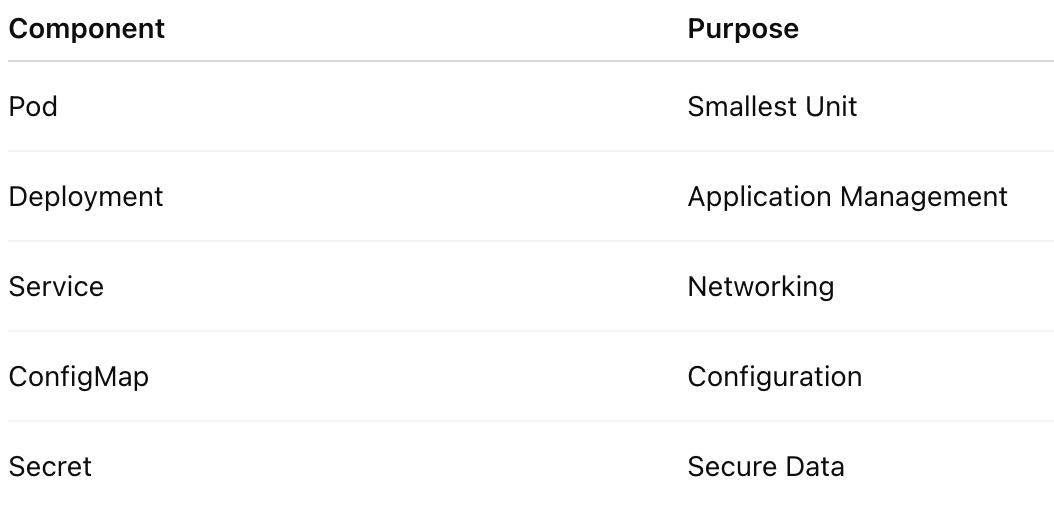
Core Components
☁️ Cloud Platforms
AWS
Popular Services:
Compute
- EC2
- ECS
- EKS
- Lambda
Storage
- S3
- EBS
Networking
- VPC
- Route53
- CloudFront
Azure
Features:
✅ Enterprise Support
✅ Active Directory
✅ Strong Microsoft Integration
Google Cloud
Features:
✅ Kubernetes Origin
✅ AI Integration
✅ Big Data Services
⚙️ CI/CD Tools
Jenkins
Most Popular Automation Tool
Features:
✅ Thousands of Plugins
✅ Pipeline Automation
✅ Open Source
Example Pipeline:
pipeline {
  agent any

  stages {
    stage('Build') {
      steps {
        sh 'bundle install'
      }
    }
    stage('Test') {
      steps {
        sh 'rspec'
      }
    }
    stage('Deploy') {
      steps {
        sh './deploy.sh'
      }
    }
  }
}
GitHub Actions
Example:
name: CI

on: push
 jobs:
  test:
    runs-on: ubuntu-latest
    steps:
      - uses: actions/checkout@v4
      - run: bundle install
      - run: rspec
Advantages:
✅ Easy Setup
✅ GitHub Integration
GitLab CI/CD
Advantages:
✅ Built-In DevOps
✅ Security Scanning
✅ Container Registry
🏗️ Infrastructure as Code
Terraform
Industry Standard
Example:
resource "aws_s3_bucket" "app" {
  bucket = "my-app"
}
Benefits:
✅ Reusable
✅ Version Controlled
✅ Multi Cloud
Ansible
Configuration Management
Example:
- hosts: servers

tasks:
    - name: Install Nginx
      apt:
        name: nginx
        state: present
📊 Monitoring Stack
Prometheus
Collects Metrics
Examples:
- CPU
- Memory
- Requests
Grafana
Visual Dashboards
Displays:
📈 System Metrics
📈 Business Metrics
📈 Kubernetes Metrics
ELK Stack
Elasticsearch
Stores Logs
Logstash
Processes Logs
Kibana
Visualizes Logs
🔐 DevSecOps Tools
SonarQube
Code Quality
Finds:
✅ Bugs
✅ Vulnerabilities
✅ Code Smells
Trivy
Container Security Scanner
Scans:
- Docker Images
- Kubernetes
- IaC
HashiCorp Vault
Secret Management
Stores:
🔐 API Keys
🔐 Database Passwords
🔐 Certificates
🏆 Step-by-Step Guide to Build a Perfect DevOps System
Stage 1
Version Control
GitHubStage 2
Branch Strategy
main
develop
feature/*
hotfix/*
Stage 3
Automated Testing
Push Code
 ↓
Run Tests
 ↓
Generate Reports
Stage 4
CI Pipeline
Git Push
 ↓
Build
 ↓
Unit Tests
 ↓
Security Scan
 ↓
Artifact Creation
Stage 5
Containerization
Docker Build
 ↓
Docker Registry
Stage 6
Infrastructure Provisioning
Terraform
 ↓
AWS Resources
Stage 7
Configuration Management
Ansible
 ↓
Server Setup
Stage 8
Deployment
Kubernetes
 ↓
Rolling Update
Stage 9
Monitoring
Prometheus
 ↓
Grafana
 ↓
Alerts
Stage 10
Security
SAST
DAST
Container Scan
Secret Scan
⚡ Pro DevOps Engineer Daily Workflow
Code Review
    ↓
Infrastructure Review
    ↓
CI/CD Monitoring
    ↓
Security Validation
    ↓
Cloud Optimization
    ↓
Performance Analysis
💎 Performance Optimization Hacks
🚀 Use Multi-Stage Docker Builds
FROM ruby:3.3 AS builder

RUN bundle install
FROM ruby:3.3-slim
COPY --from=builder /app /app
Reduces image size dramatically.
🚀 Use Auto Scaling
Scale automatically based on:
- CPU
- Memory
- Requests
🚀 Cache Dependencies
Examples:
- Bundler Cache
- npm Cache
- Maven Cache
Builds become much faster.
🚀 Use CDN
Examples:
- CloudFront
- Fastly
Reduces latency globally.
🚀 Implement Blue-Green Deployment
Benefits:
✅ Zero Downtime
✅ Instant Rollback
🚀 Use Canary Deployments
Deploy to 5% users first.
Benefits:
✅ Lower Risk
✅ Faster Validation
🎓 DevOps Engineer Learning Roadmap
Beginner
✅ Linux
✅ Git
✅ Networking
✅ Bash
Intermediate
✅ Docker
✅ Jenkins
✅ AWS
✅ Terraform
Advanced
✅ Kubernetes
✅ GitOps
✅ Service Mesh
✅ Observability
Expert
✅ Multi-Cloud
✅ Platform Engineering
✅ FinOps
✅ DevSecOps
🌟 Final Thoughts
A Pro DevOps Engineer is not someone who knows every tool. The true professional understands:
🎯 Automation
🎯 Reliability
🎯 Scalability
🎯 Security
🎯 Monitoring
🎯 Cloud Architecture
🎯 CI/CD
🎯 Infrastructure as Code
Master the stack below and you’ll be among the top DevOps engineers:
Linux
 ↓
Git
 ↓
Docker
 ↓
CI/CD
 ↓
Terraform
 ↓
AWS
 ↓
Kubernetes
 ↓
Monitoring
 ↓
Security
 ↓
GitOps
💡 Remember: DevOps is a journey of continuous improvement. The goal is not just deploying software faster, but building systems that are scalable, secure, resilient, and capable of serving millions of users with confidence. 🚀🔥


Comments
Post a Comment